Qigong · Beginner's Guide
Qigong in Phoenix: A Beginner's Guide to Energy, Strength & Longevity
If you’ve searched “Qigong in Phoenix” and ended up more confused than when you started, this guide is for you. Here’s what Qigong actually is, the benefits you can expect, how it differs from Tai Chi, and exactly how to begin — even if you’ve never practiced a day in your life.
What is Qigong?
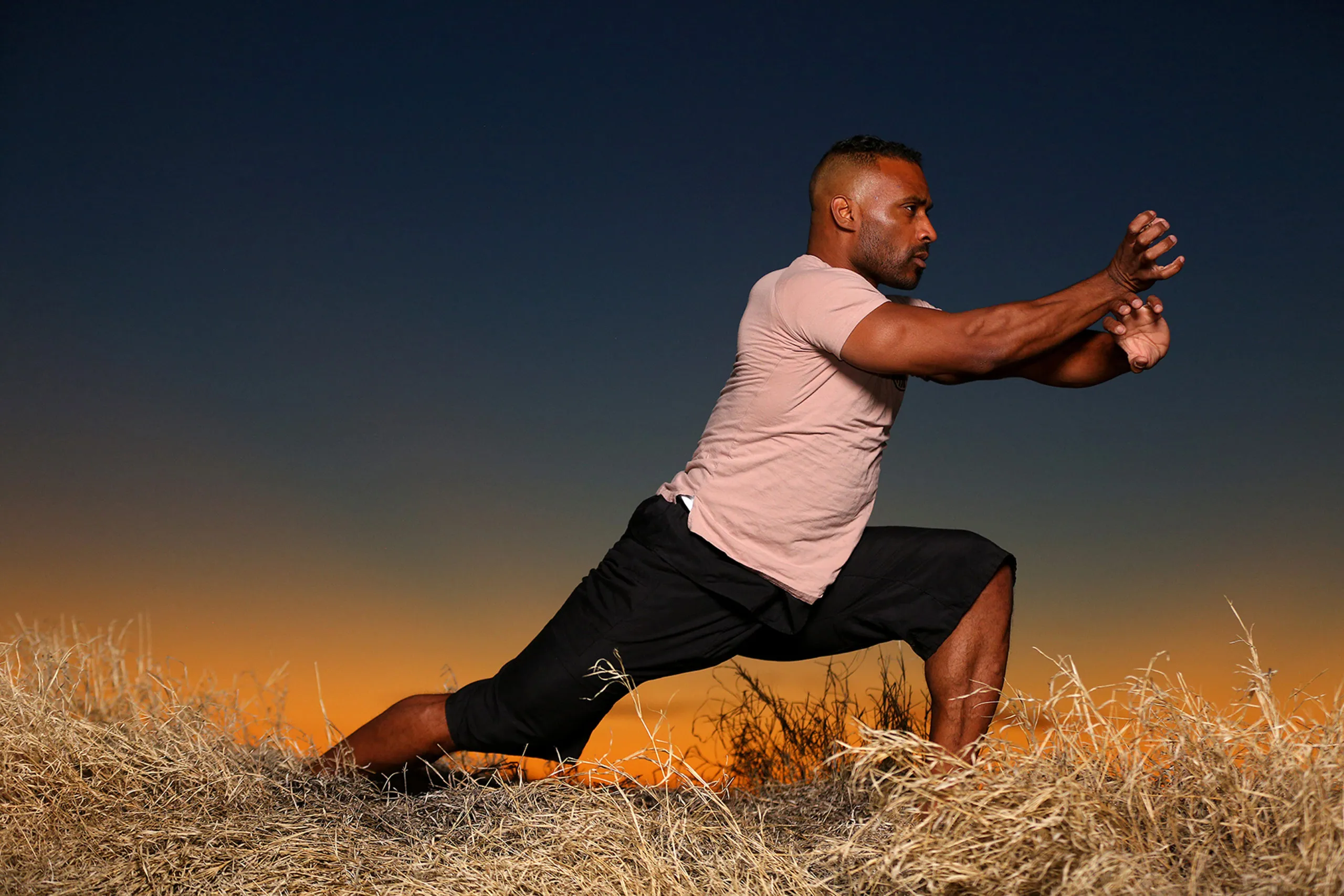
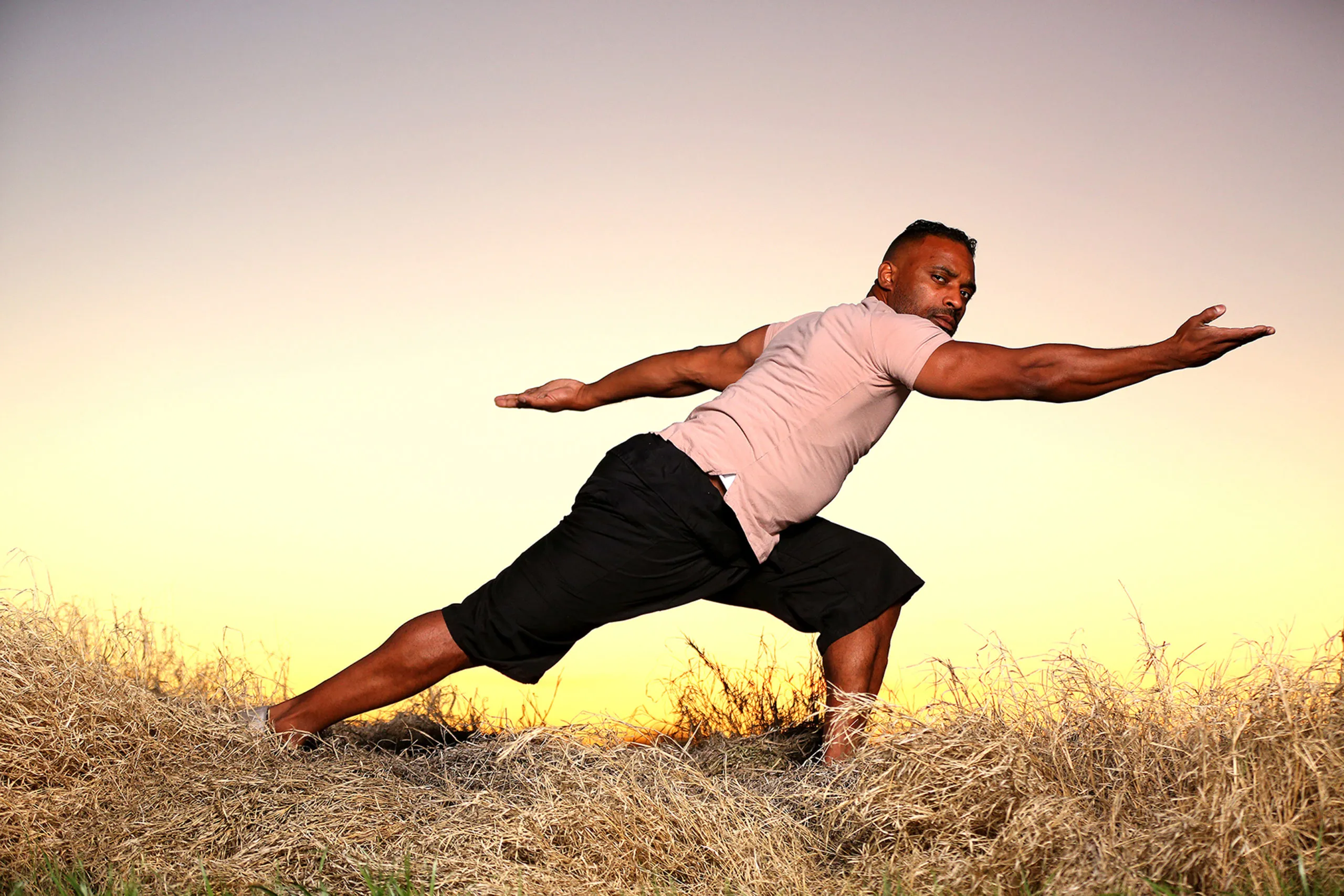
Qigong (pronounced “chee-gong”) is an ancient Chinese practice for cultivating and balancing your life energy, or Qi. Qi means energy; gong means work. So Qigong is, quite literally, practical energy work — a system of slow movement, controlled breathing, and focused intention developed over more than four thousand years to build health, vitality, and longevity.
Unlike a typical workout, Qigong trains something most fitness routines ignore entirely: your internal energy and your nervous system. That’s why people describe it as resistance training for your sense of feeling.
The benefits of Qigong
Applied properly and consistently, Qigong supports the whole body. Commonly reported benefits include:
- Increases in circulation, respiration, digestion, elimination, and range of motion
- Regulation of blood pressure, hormone levels, organ health, and autonomic function
- Decreases in inflammation, chronic pain, joint stiffness, and the rate of degeneration
- Reduced stress and anxiety, clearer thinking, better coordination, and emotional balance
You can read the full breakdown on the Benefits of Qigong page.
Qigong vs. Tai Chi: what's the difference?
This is the most common question beginners ask. The short answer: Tai Chi is one specific form of Qigong that began as a martial art. Qigong is the much broader category.
- Complexity: Tai Chi uses long, choreographed sequences. Most Qigong is simpler — repetitive movements or static postures.
- Goal: Most Qigong is focused on health, healing, and energy cultivation.
- Variety: There are hundreds of Qigong forms, from gentle movement to meditative breathing.
Think of Qigong as the library, and Tai Chi as one very popular book inside it.
Why Qigong pairs so well with strength training
Here’s where it gets powerful for athletes and busy professionals. Qigong cultivates your “internal fire,” while resistance training builds the body’s external structure. Run them together and the results multiply — an iron core wrapped in silk. We go deep on this in Unleash Your Potential with Qigong & Resistance Training.
Without Qigong and resistance training, you reach less than half of your potential.
How to start Qigong as a beginner
You don’t need equipment, a studio membership, or hours a day. Consistency beats duration. Try this:
- Lifting the Sky: Stand with feet shoulder-width, knees soft. Inhale and raise your arms overhead, palms up; exhale and lower. Repeat 6–8 times.
- Seated breathing: One hand on chest, one on belly. Inhale through the nose for four counts (belly rising); exhale for six. Repeat 1–2 minutes.
- Be consistent: Five focused minutes a day will outperform an occasional hour.
Qigong in Phoenix, Arizona
If you’re in the Phoenix area and want to skip months of trial-and-error, the fastest way in is the 5-Day Qigong Lifestyle Immersion — an on-site experience that fuses Qigong, yoga, and resistance training and hands you a personalized practice to keep. The desert itself makes a grounding place to begin.
Frequently asked questions
Is Qigong good for beginners and seniors?
Yes. Its gentle movements are ideal for all ages and fitness levels, including older adults and those managing chronic conditions.
How quickly will I feel results?
Many people feel reduced stress and clearer focus from their first session. Deeper benefits build over weeks of consistent practice.
Do I need to believe in “energy” for it to work?
No. Whether you frame Qi as life energy or as bioelectricity and nervous-system regulation, the breathing and movement produce real, measurable calm and control.